
Planning for The Loss of Independence Isn't Like Planning A Vacation
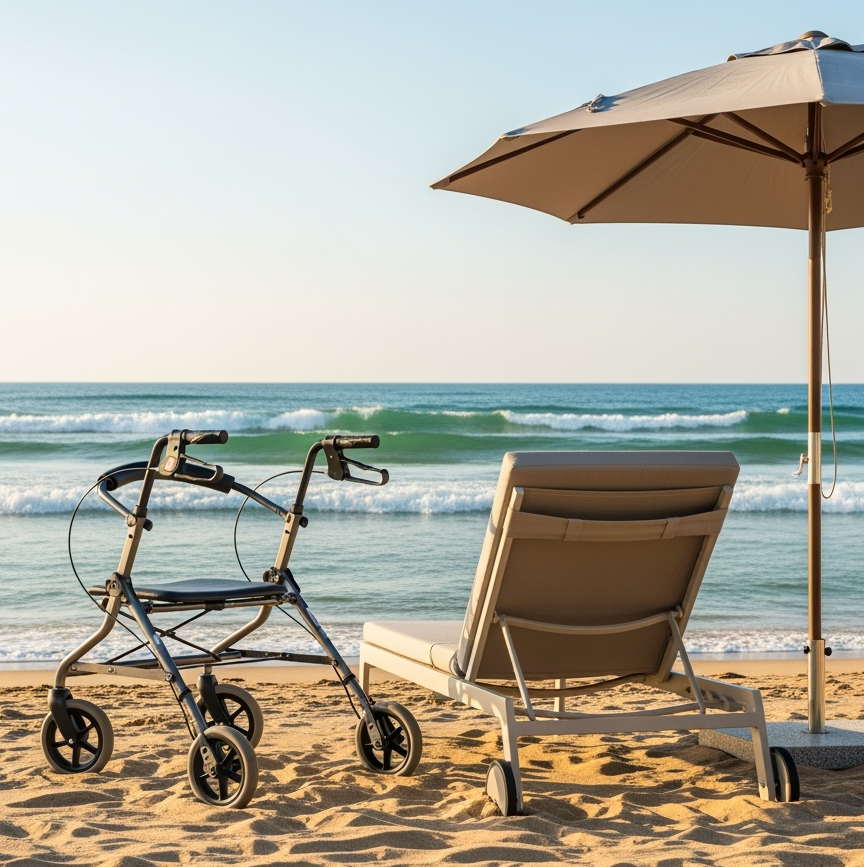
Vacations are elective and scheduled, and built around preferences and convenience. The loss of independence is not. No, health decline and diminished cognitive ability arrive on their own timeline, carry financial, legal, and family consequences, and—without prior planning—force decisions under pressure rather than by choice.
Yet many households spend more time organizing a one-week trip than preparing for an event that can reshape decades of financial planning. The issue isn't awareness; it's that this risk is still treated as optional rather than as a core planning assumption. Real planning isn't about where you hope to go. It's about preserving as much control, flexibility, and dignity as possible if you no longer get to decide.
Why Planning for Long-Term Care Isn't Like Planning a Vacation
Q: When you plan a vacation, what's the first step?
A: You choose the destination — a place you want to go, on a timeline you control.
Planning Reality: Loss of independence doesn't offer that luxury. There is no chosen destination or scheduled departure. The first step isn't deciding where you want to go — it's acknowledging that an unplanned health event will force decisions about care, authority, finances, and family roles all at once. Planning begins by defining how decisions will be made before health removes the ability to make them.
Q: How do you set a budget for a trip?
A: You decide what you're willing to spend based on preferences and resources.
Planning Reality: Care is not a discretionary purchase. It is an open-ended liability triggered by biology, not choice. The question is not "What do you want to spend?" but what level of disruption can your balance sheet absorb? Which assets would be liquidated first? How would income, taxes, and legal control change during a care event? Who coordinates care if you cannot? This is risk modeling, not budgeting.
Q: Do you make backup plans if something goes wrong during the trip?
A: Yes — contingencies for delays or unexpected costs.
Planning Reality: In a care event, the "backup plan" becomes the primary plan. Without structure in place, families improvise under stress, and financial decisions compress into moments instead of decades. Legal authority is clarified during crisis rather than established beforehand, and costs are reacted to rather than engineered around.
Planning is about preserving optionality and control, not reacting to surprises.
Apply the Correct Mindset
People plan vacations around enjoyment. They must plan for loss of independence around consequences, so this becomes Preference Planning versus Consequence Planning.
1. Define Decision Control: Not Destination, and instead of asking, "Where would you like care?" the real question is: Who makes decisions, under what authority, using what resources, if you cannot?
2. Model Financial Exposure: It's not a budget; it's identifying how a prolonged care need would interact with retirement income streams, portfolio drawdown sequencing, tax structure, housing decisions, and intergenerational impact. Care is a balance-sheet stress test.
3. Create Flexibility Before It's Needed: True preparation builds mechanisms that allow adaptation, and the ability to scale care without forced liquidation, define family roles instead of assumed ones, and automatically activate legal and financial coordination. That is planning, and everything else is improvisation.
The Critical Difference & Takeaway
A vacation plan enhances an experience, and a Long-Term Care plan protects autonomy when experience is no longer fully self-directed. Yet many households devote more structure to a one-week trip than to an event statistically far more likely to disrupt their financial and legal lives. Planning for loss of independence is not about predicting where someone will live or how care will be paid. It is about integrating a biologically driven risk into financial, legal, and family decision-making while time and health still allow choices to exist.
Without that integration, what follows is not a plan — only a sequence of reactions.
Consider using this approach to make Long-Term Care Planning a proactive and familiar process...
20260220
 Print
Print